
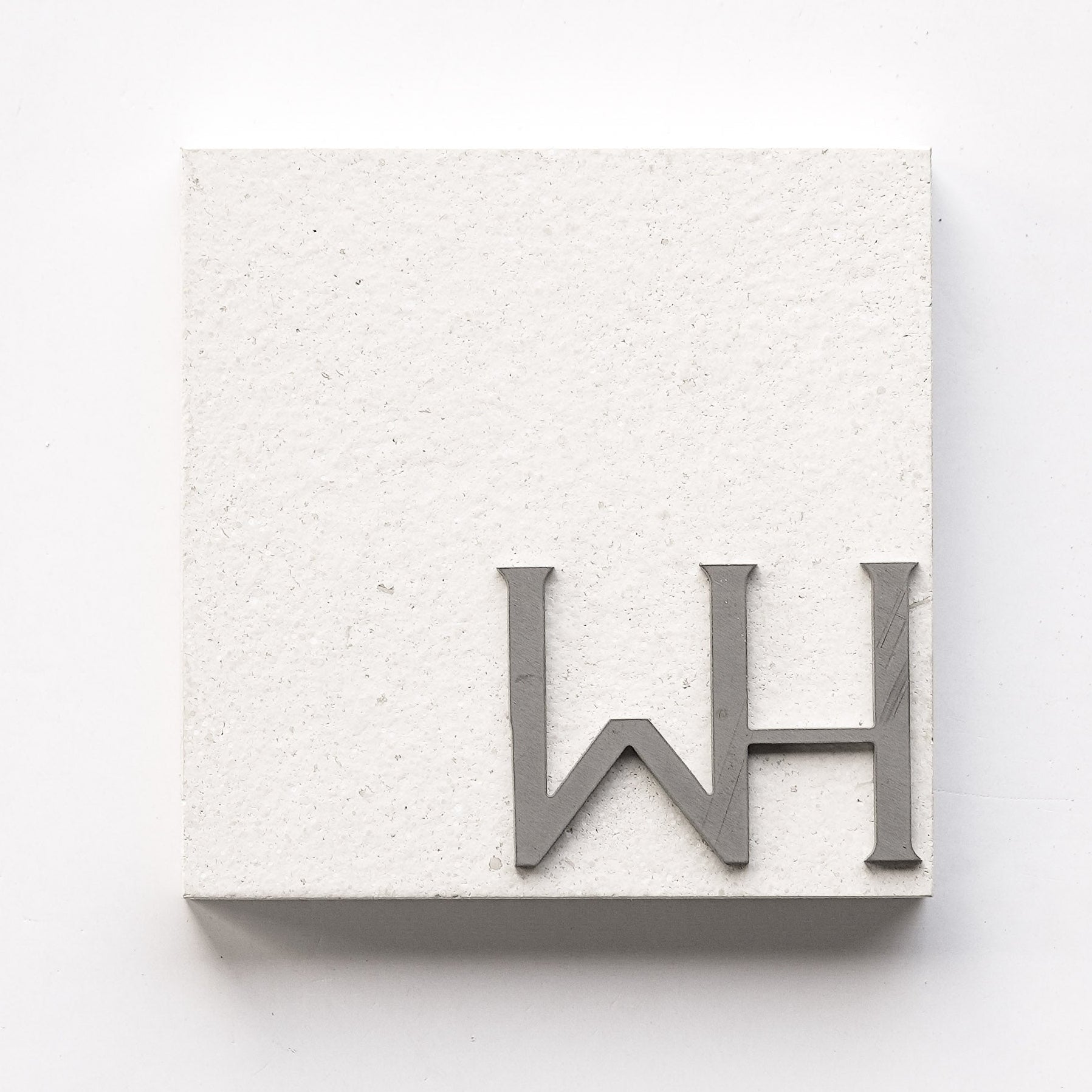
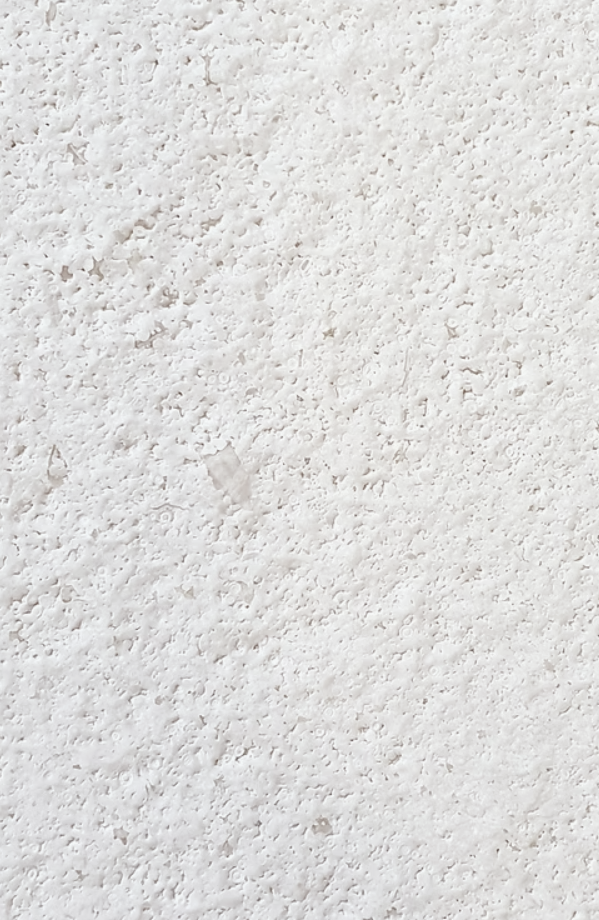
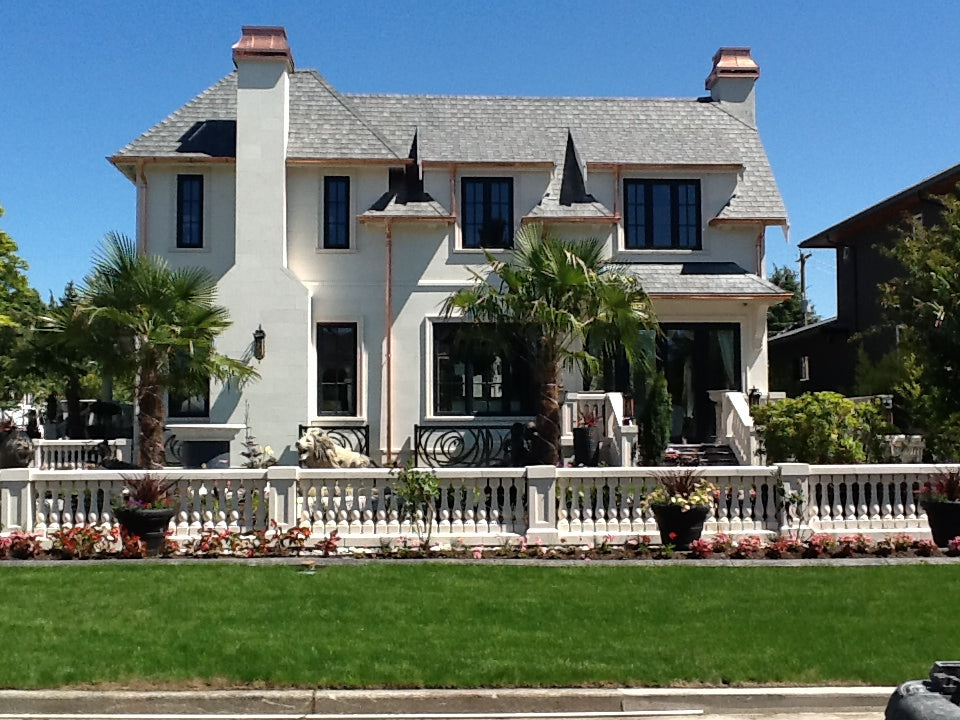
PURE WHITE - Brushed
RECCOMENDED USES
Exterior & interior floors, bathrooms, wall cladding, backsplashes, etc
Not ideal for: Shower floors, kitchen countertops
finishes
Polished, Honed, Brushed, Sandblasted, Custom
Choose options
BULGARIAN WHITE - SOFT SHELL - WOOLY WHITE - DRIFTWOOD - PURE WHITE - ROYAL OAK

TRY OUR PRODUCT VISUALIZATION TOOL
LEARN
COMPARE POPULAR MATERIALS
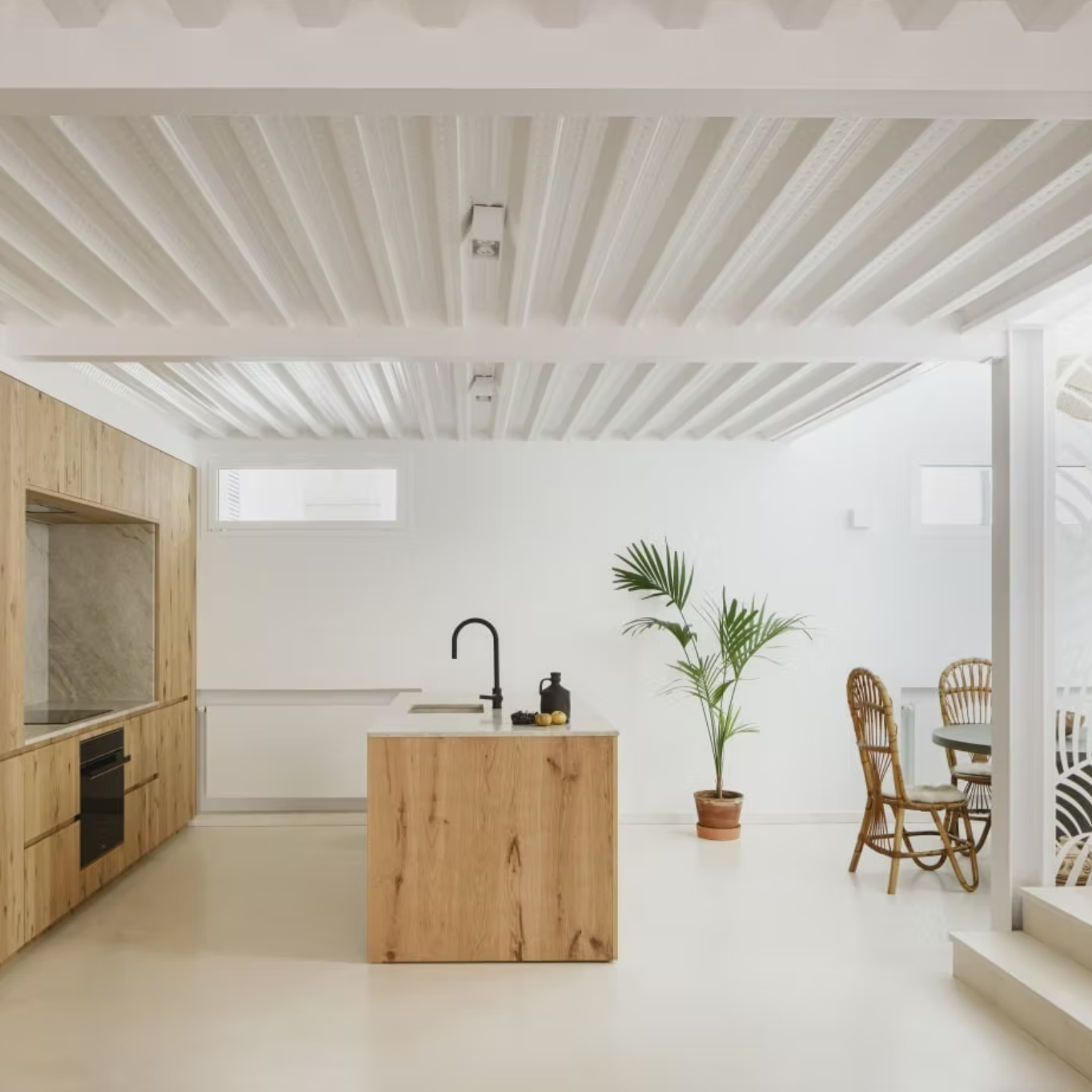
LIMESTONE
Limestone naturally forms of the microscopic shell & fragments, compressing under its owen weight until it eventually becomes solid calcium carbonate. People turn to natural stone because it is well...natural, no two pieces are alike. It stays cool underfoot in the summer and warms gently in the winter sun. Limestone weathers gracefully and holds a distict advantage over man-made products - it responds well to restoration and repair. Worn and stained surfaces can be slightly honed & brought back to life. Chips can be filled and blended. Scratches can be gently worked away.
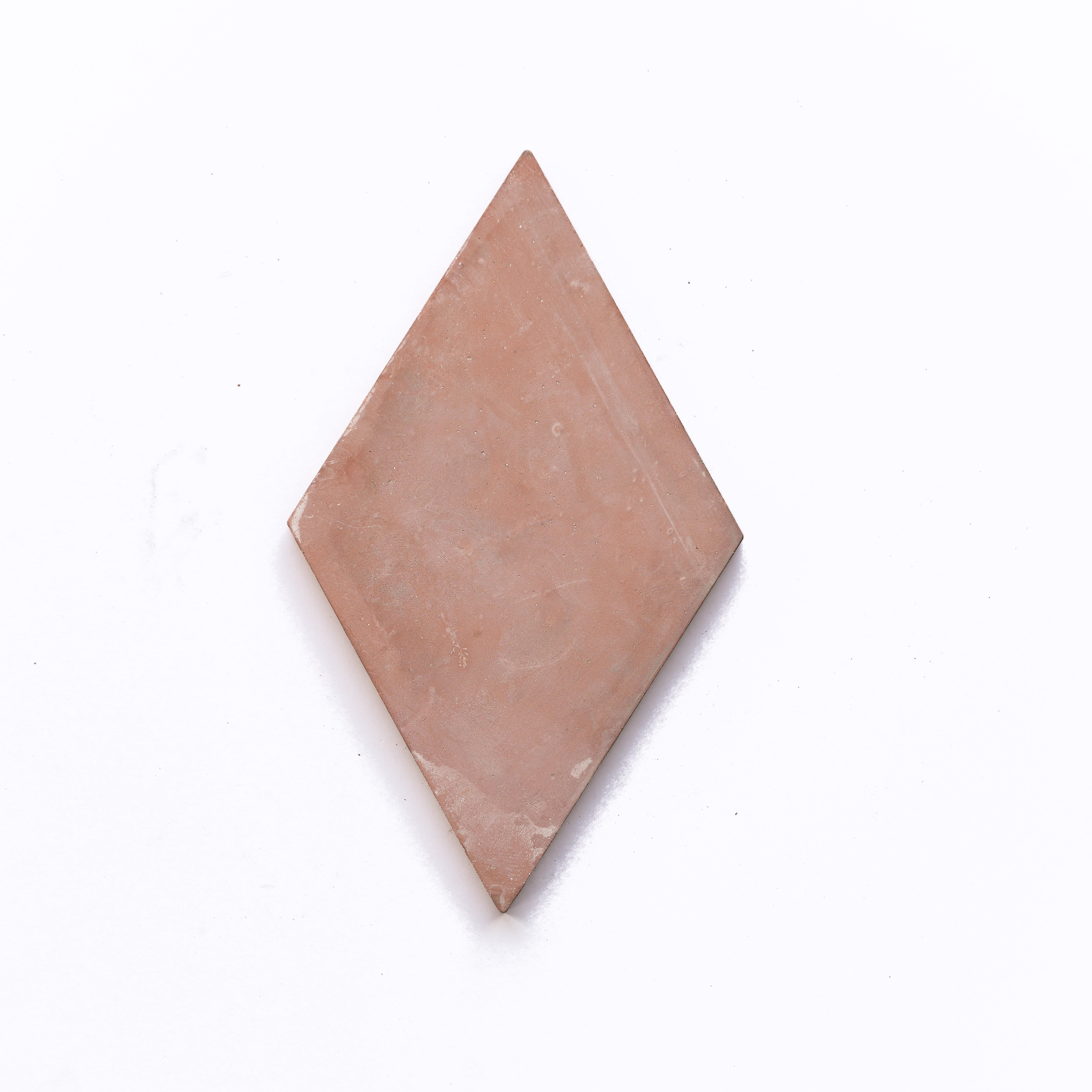
TERRACOTTA
Terracotta is Italian for "baked earth". It is born from earthen clay, transformed by fire and then formed by hand. Gentle variations in the color create a subtle irregularity similar to stone. Cracked tiles are often filled and blended. Worn surfaces can be gently cleaned or refinished. There is a humble luxury naturally inherent in the ancient art of terracotta.
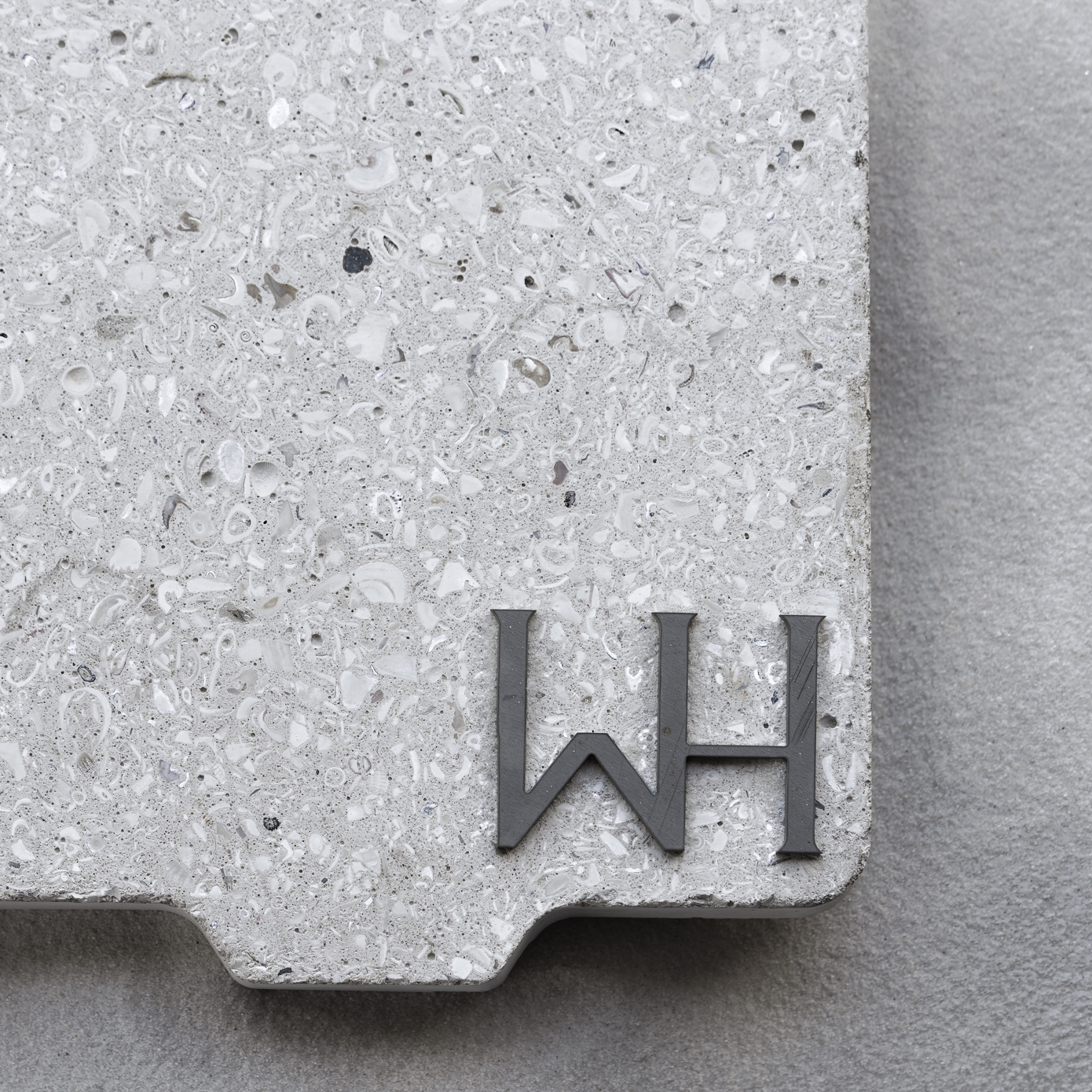
AGGLOMERATES
Agglomerate stone is made by binding crushed natural particles (quartz, granite, shell, etc) with cement or other resin. While usually denser than natural stone, protection and maintenance vary depending upon composition. Unlike cast stone, agglomerates can be processed and deeply sanded without inconsistencies, just like natural stone.
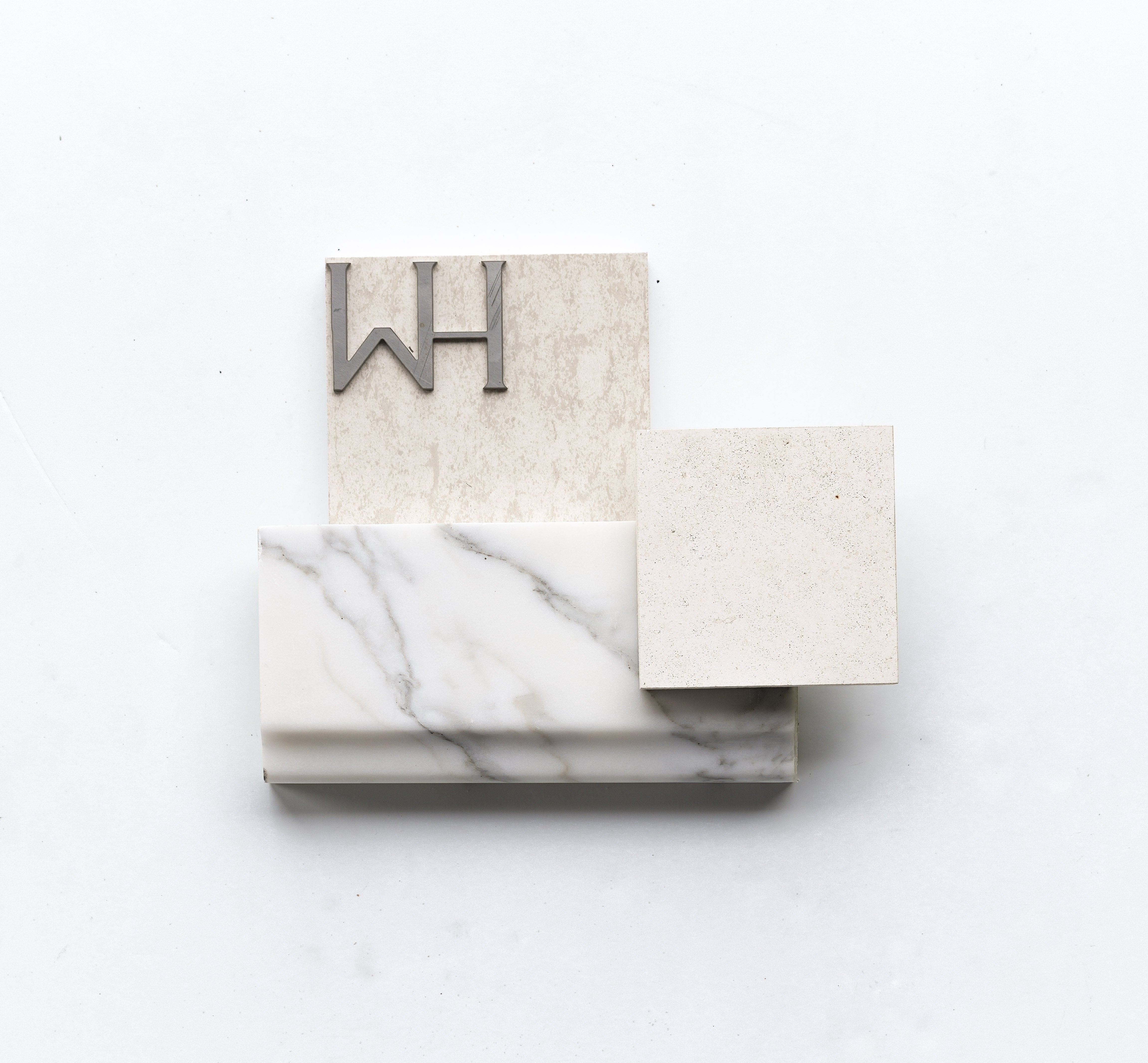
MARBLE
Marble is formed when limestone is subjected to intense heat and pressure deep within the earth. The solid stone is then recrystallized, densifies, and becomes more translucent. The finer grain of marble can take on a higher polish. It has been prized for centuries as an art medium and in architectural design. Each slab is its own original work of art.
TRAVERTINE
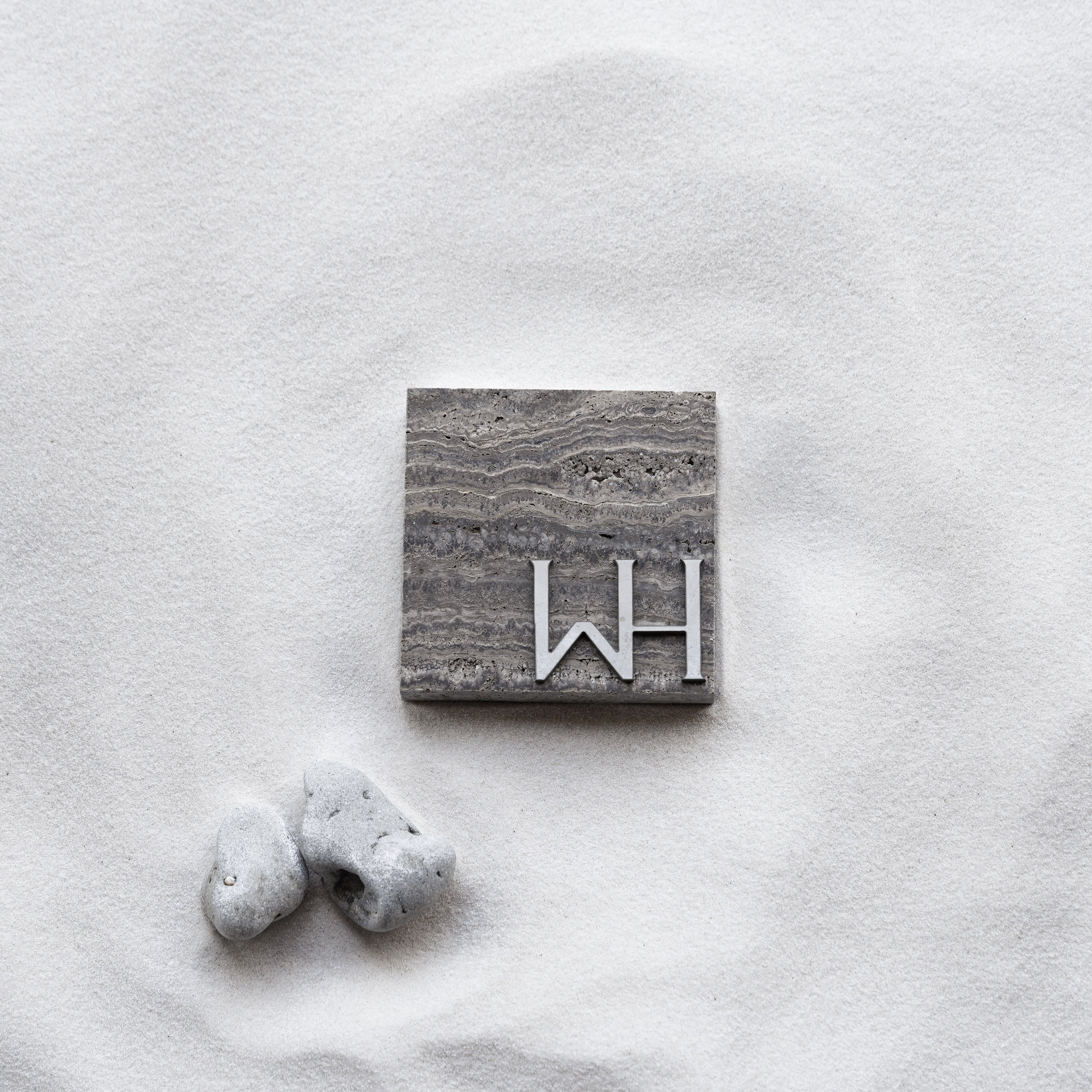
Travertine is a type of limestone created by the precipitation of water (often through spring water or geothermal waters). These waters cause the stone to form in layers through chemical changes. Having more veins than common limestone, travertine is typically more porous and softer. It is therefore even more important to fill and seal this stone regularly. Attention to using this stone appropriately will assure the best satisfaction.
